
Description
Product Overview
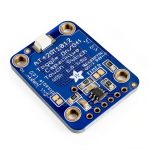
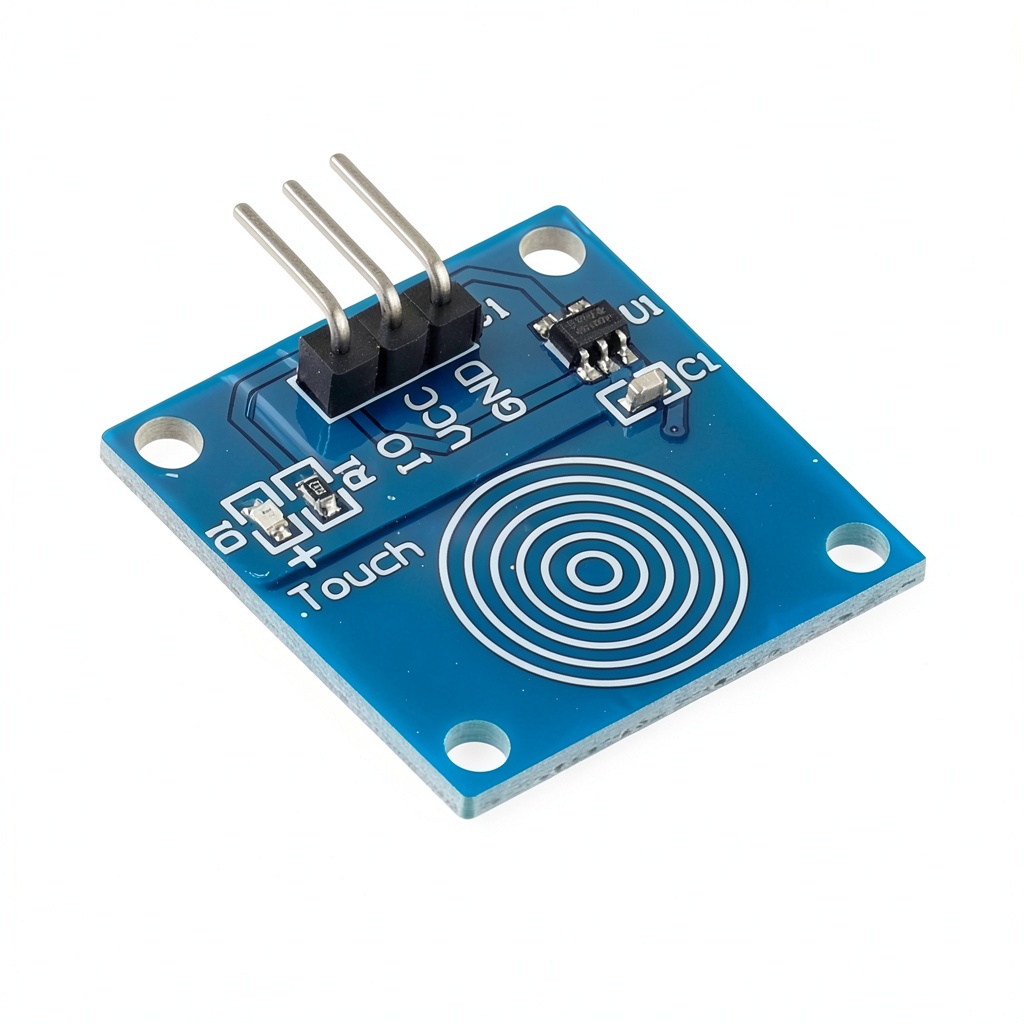
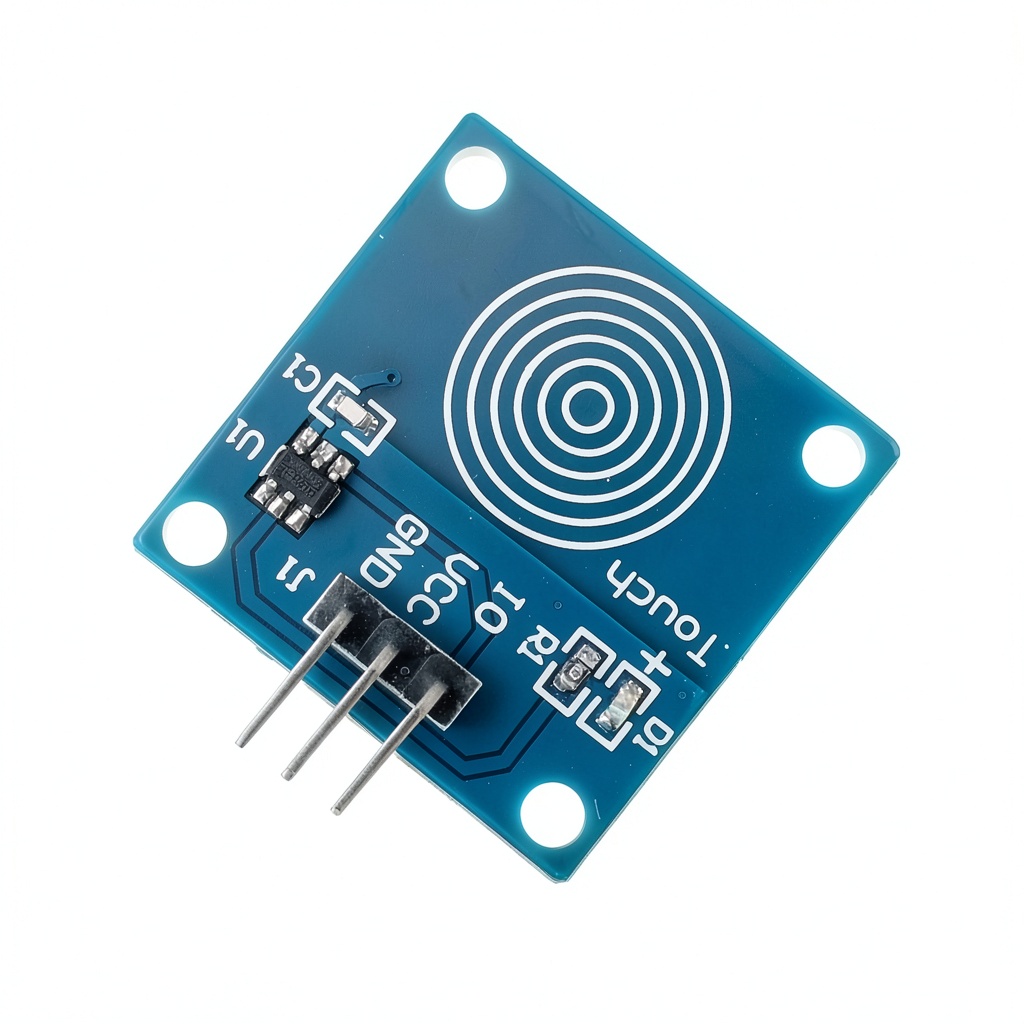
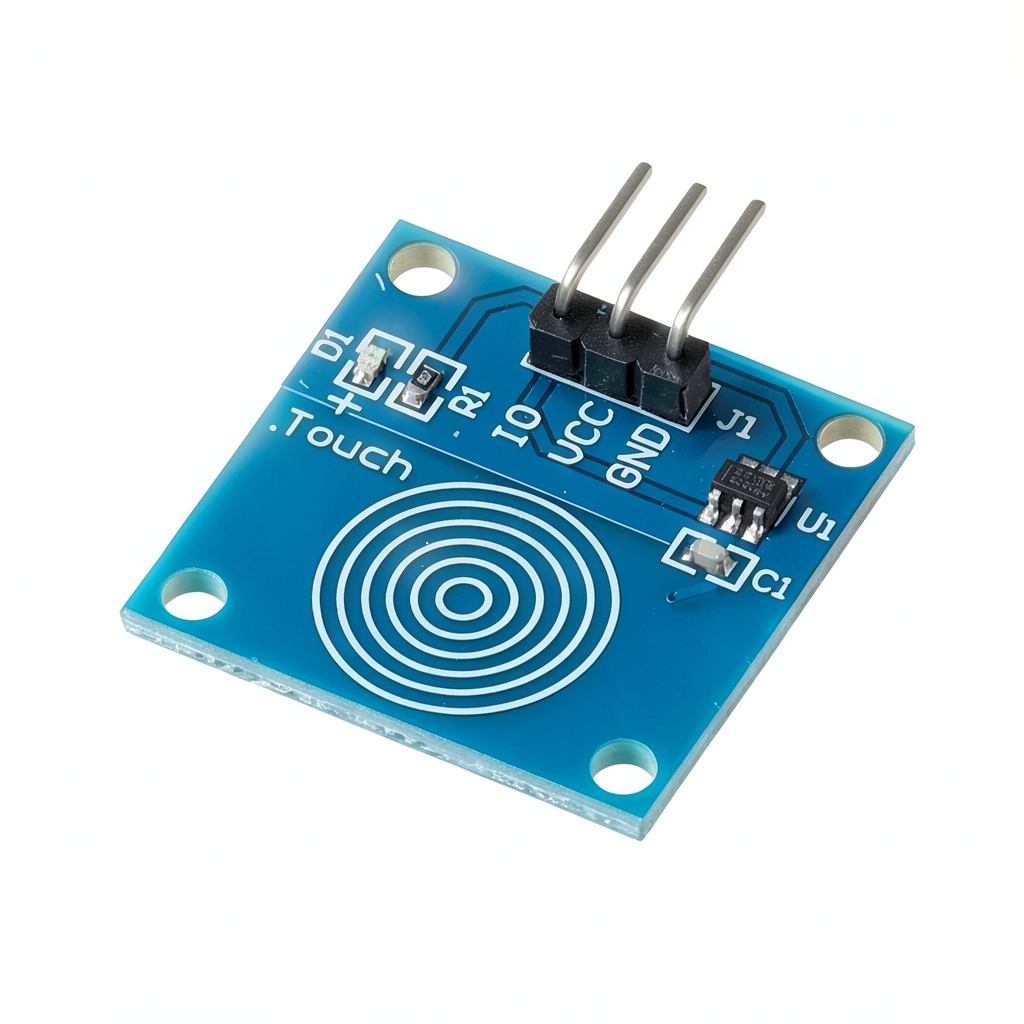
The SHUATI TTP223B proximity sensor module is a compact capacitive touch device designed for reliable detection of human presence or finger contact. Measuring just 3.15 × 2.36 × 1.18 inches and weighing only 1.06 ounces, the module fits easily into tight enclosures while providing a robust sensing surface. Its built‑in TTP223B chip processes capacitance changes and outputs a clean digital high or low signal, eliminating the need for external comparators or analog circuitry.
Operating from a wide voltage range of 2 V to 5.5 V DC, the sensor can be powered directly from common microcontroller boards such as Arduino Uno, Nano, or ESP32, as well as from battery packs used in portable projects. The low‑power design draws only a few microamps in standby mode, extending battery life for remote or wearable applications. The module’s digital output is compatible with standard GPIO pins, allowing straightforward integration into existing codebases without additional level‑shifting components.
Installation is simplified by four precisely positioned M2 screw holes that secure the board to a panel or prototype board, reducing vibration and ensuring consistent contact with the sensing surface. The module’s pins are arranged in a 2 × 4 layout, with VCC, GND, and output signals clearly labeled, which speeds up wiring and reduces the chance of misconnection. For developers who prefer a solder‑free approach, the board can also be mounted using standard 2.54 mm pitch female headers or spring‑loaded test clips.
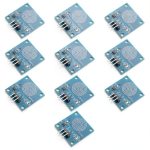
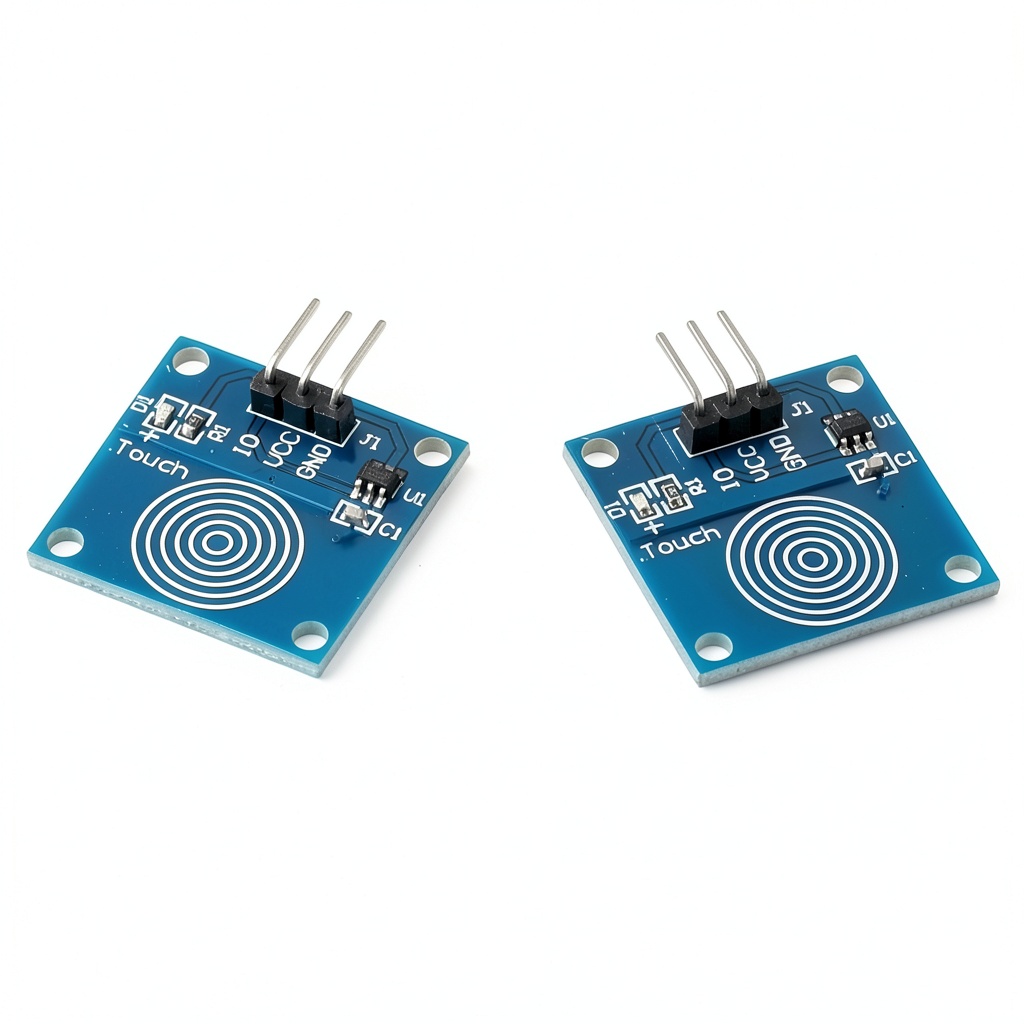
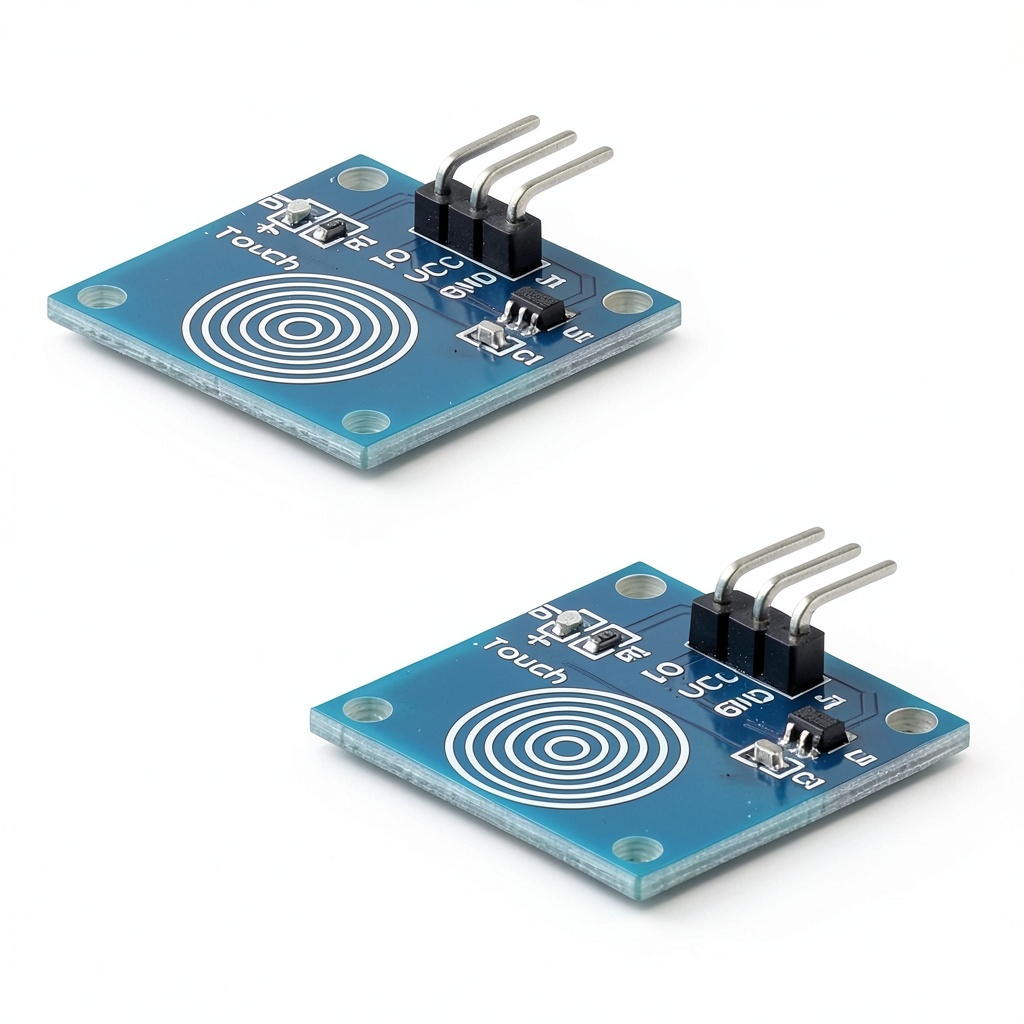
The package includes ten identical TTP223B modules, providing ample quantity for batch testing, multi‑sensor arrays, or spare parts for future revisions. Each unit carries the SHUATI brand reputation for quality and reliability, as reflected in its ranking among the top capacitive proximity sensors on major e‑commerce platforms. With an ASIN of B0CQ21FLDX and a best‑seller rank of #61 within its category, the product demonstrates strong market acceptance and offers a cost‑effective solution for both hobbyist and professional developers.
Beyond basic functionality, the TTP223B module is engineered to withstand challenging environmental conditions. Its PCB is coated with a conformal layer that resists moisture and dust ingress, while the capacitive electrode is shielded to minimize susceptibility to electromagnetic interference from nearby power lines or radio frequency sources. The sensor maintains consistent performance across a temperature span of –20 °C to +85 °C, ensuring reliable operation in both indoor climate‑controlled settings and outdoor installations exposed to seasonal variations. This robustness reduces the need for additional protective enclosures, simplifying system design and lowering overall component count.
The module complies with RoHS and CE directives, reflecting SHUATI’s commitment to environmentally responsible manufacturing and market accessibility across Europe and North America. Each unit undergoes functional testing before packaging, guaranteeing that the output logic level meets the specified high and low thresholds. The compact packaging of ten modules per box is optimized for efficient storage and shipping, reducing carbon footprint per delivered sensor. Documentation includes a detailed datasheet, pinout diagram, and example Arduino sketches, enabling engineers to accelerate development cycles and achieve time‑to‑market advantages.
Integration with wireless modules such as Bluetooth Low Energy (BLE) or LoRaWAN is straightforward, as the sensor’s digital output can be directly read by the microcontroller handling the radio stack. This enables remote monitoring of touch events, allowing developers to create IoT‑enabled devices that report user interactions to cloud dashboards or trigger automated workflows. The minimal pin count also leaves ample GPIO resources for additional peripherals, supporting complex multi‑sensor configurations without sacrificing performance.
![[Product front view showing all components]](https://www.bestfair.store/wp-content/uploads/2026/07/0353b0f361c64630b8be835b328c3632.jpg)
Usage
In interactive installations such as museum exhibits or retail displays, the TTP223B module can serve as a touch‑activated trigger that lights LEDs, starts audio playback, or sends signals to a central controller. Because the sensor reacts to the presence of a finger without requiring mechanical movement, it reduces wear and maintenance compared with traditional push‑buttons, making it ideal for high‑traffic environments where durability is essential.
For portable electronics, such as battery‑powered wearables, remote controls, or DIY smart‑home devices, the low standby current of the TTP223B allows the entire system to remain dormant for extended periods while still being ready to wake on a simple tap. The 2 V to 5.5 V supply window matches common coin cell voltages, enabling designers to eliminate voltage regulators and simplify power management.
The module’s digital output can be directly connected to relay drivers, MOSFET switches, or microcontroller interrupt pins, providing flexibility for a wide range of control strategies. For example, a home‑automation system can use the sensor to detect when a user touches a wall panel, instantly turning on lighting or adjusting climate settings without any audible click. This silent operation is especially valuable in environments where noise must be minimized, such as libraries or medical facilities.
Educational settings benefit from the module’s straightforward programming interface; students can quickly learn the principles of capacitive sensing, debounce handling, and digital I/O by writing simple sketches in the Arduino IDE. The clear labeling of pins and the availability of example code from the manufacturer further reduce the learning curve, allowing classroom time to focus on creative project development rather than hardware troubleshooting.
In smart home applications, the sensor can be integrated into a touch‑controlled lighting panel that adjusts brightness levels based on the duration of a tap. By coupling the TTP223B output with a PWM driver, users can create intuitive dimming controls without mechanical sliders, enhancing aesthetic appeal and reducing mechanical failure points. The low latency of the capacitive detection ensures immediate response, which is critical for user satisfaction in everyday lighting scenarios.
For industrial automation, the module can serve as a proximity detector on conveyor belts or robotic arms, signaling the presence of an object without physical contact. This non‑contact sensing reduces wear on moving parts and allows for seamless integration into safety interlock systems. When combined with a PLC or edge‑computing device, the sensor’s digital output can trigger alarms, halt machinery, or log events for predictive maintenance analytics.
In educational robotics kits, the TTP223B can be employed as a simple human‑machine interface, allowing students to program a robot to respond to hand gestures without mechanical switches. By mapping the sensor’s output to movement commands, learners can explore concepts such as event‑driven programming, signal debouncing, and power management. The tactile feedback is immediate, reinforcing the cause‑and‑effect relationship essential for hands‑on learning and fostering creativity in STEM curricula.
Why Choose Us
Choosing the SHUATI TTP223B module means selecting a component that has undergone rigorous quality testing and conforms to industry standards for electronic reliability. The manufacturer provides a detailed datasheet, compliance certifications, and a responsive technical support channel that assists customers with integration questions, firmware adjustments, and troubleshooting steps.
The sensor’s construction uses a robust printed circuit board with gold‑plated contacts, ensuring long‑term conductivity even in humid or dusty environments. Its encapsulated design protects the capacitive electrode from accidental damage, while the low‑profile form factor allows it to be concealed behind panels or integrated into sleek product housings without protruding elements.
Reliability is further reinforced by the module’s ability to operate across a broad temperature range, from -20 °C to +85 °C, which covers most indoor and outdoor applications. This thermal tolerance, combined with the sensor’s inherent resistance to electromagnetic interference, makes it suitable for industrial automation, automotive interiors, and consumer electronics alike.
The inclusion of ten units per package offers economies of scale for developers who need multiple sensors for array configurations, redundancy, or future‑proofing designs. The competitive price point of $7.49 per set, together with the brand’s reputation and the module’s feature set, delivers a compelling value proposition for both small‑batch prototypes and larger production runs.
SHUATI’s manufacturing process incorporates automated optical inspection and functional testing stations, ensuring each TTP223B module meets stringent performance criteria before leaving the factory. This systematic quality control reduces variability between units, providing developers with consistent behavior across large batches, which is essential for reproducible experimental results and reliable product launches.
The company also emphasizes sustainability by sourcing lead‑free components and minimizing packaging waste, aligning with global environmental standards. Customers benefit from a transparent supply chain and the assurance that the sensors are produced with responsible practices, which can be highlighted in corporate social responsibility reports and product certifications.
Key Features
- Low power consumption, drawing only a few microamps in standby mode, which significantly extends battery life for portable and remote applications while maintaining reliable detection performance.
- Wide operating voltage range of 2 V to 5.5 V enables direct connection to common microcontroller boards such as Arduino, ESP32, and to various battery sources without the need for additional voltage regulation circuitry.
- Four precisely positioned M2 mounting holes and a clear 2 × 4 pin layout simplify mechanical installation, reduce vibration, and minimize wiring errors, making the module suitable for both rapid prototyping and high‑volume production environments.
- Capacitive touch detection replaces traditional mechanical buttons, providing a smooth, silent user experience, eliminating wear and tear, and offering reliable operation in high‑traffic or noise‑sensitive settings such as libraries, hospitals, and retail displays.
- SHUATI provides responsive technical support, a comprehensive datasheet, and example code, ensuring quick integration, reliable after‑sales assistance, and confidence for developers of any skill level, from hobbyists to professional engineers.
FAQ
Can the TTP223B sensor be used with a 3.3V microcontroller?
Yes, the sensor operates from 2 V up to 5.5 V, so a 3.3 V supply is well within its range. When connecting to a 3.3 V microcontroller, simply power the module with the same voltage and read the digital output pin, which will toggle high or low according to touch events without any level‑shifting required.
How does the sensor handle false triggers from environmental noise?
The TTP223B includes built‑in filtering that suppresses rapid voltage fluctuations caused by electromagnetic interference or stray capacitance. For added robustness, developers can implement software debouncing or add a small capacitor on the VCC line to smooth out transient spikes, further reducing the chance of false activations.
What is the recommended method for debouncing the sensor output?
Although the module provides hardware filtering, a common practice is to read the output at a fixed interval (e.g., every 10 ms) and require the same state for several consecutive reads before confirming a touch event. This software debounce technique eliminates jitter while preserving the fast response characteristic of the sensor.
Is there a warranty or support policy for the SHUATI modules?
SHUATI offers a standard one‑year warranty covering manufacturing defects, and a dedicated technical support portal where users can submit questions, download firmware updates, and access reference designs. The support team typically responds within 24 hours, ensuring reliable assistance throughout the product’s lifecycle.
Can the sensor be protected from water exposure in outdoor installations?
To safeguard the TTP223B module against moisture when used outdoors, it is advisable to mount the board inside a sealed enclosure rated at least IP65. The enclosure should have a clear window or a thin non‑conductive overlay that allows the capacitive field to reach the user’s finger while preventing direct water contact. Applying a thin layer of silicone conformal coating over the PCB, except for the sensing electrode, adds an extra barrier against humidity. Additionally, using a waterproof connector for the power and signal leads ensures that no water can travel along the wiring into the module.
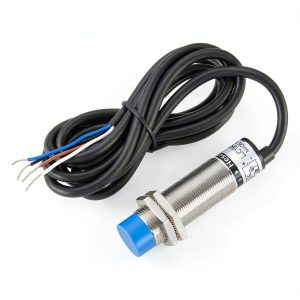
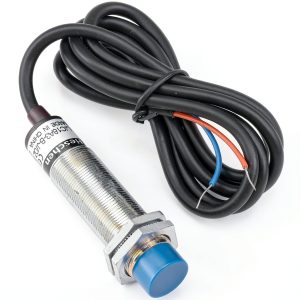
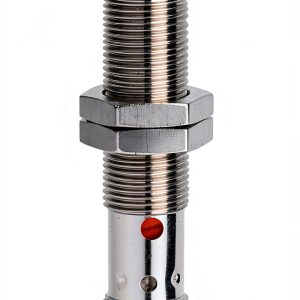
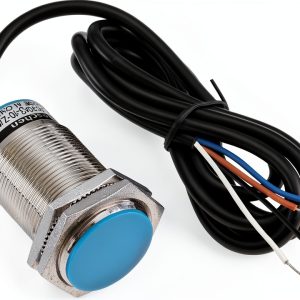 Capacitive Proximity Sensor Heschen LJC30A3-10-Z/CY 4‑Wire 10‑30VDC
Reviews
There are no reviews yet.